

Eastern Nepal is a land where nature’s beauty unfolds in endless layers — from the emerald tea gardens of Ilam to the towering snow peaks of Kanchenjunga. This region offers more than just places to visit; it’s an immersion into the rhythms of mountain life, the warmth of local hospitality, and the untouched charm of the countryside.
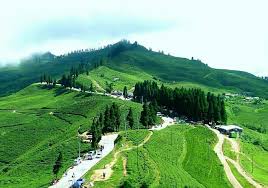
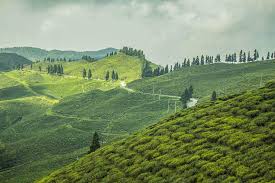
The journey often begins in Ilam, a district draped in endless slopes of tea bushes that sway gently in the cool mountain breeze. Known as the “Queen of Hills,” Ilam enchants visitors with its misty mornings, fragrant tea leaves, and landscapes that seem painted in shades of green. Here, Kanyam and Fikkal stand as picture-perfect escapes, while Antu Danda welcomes early risers with a sunrise that paints the Himalayas in hues of gold and crimson. Not far away lies Mai Pokhari, a serene wetland recognized for its rich biodiversity, home to rare birds and medicinal plants, and a peaceful retreat for those seeking quiet moments in nature.

Further north, the mighty Kanchenjunga reigns supreme. Trekking to its base camp is not for the faint-hearted, but those who make the journey are rewarded with an awe-inspiring panorama of the world’s third-highest mountain. The route passes through dense rhododendron forests, remote Limbu and Sherpa villages, and high alpine pastures where life moves to the rhythm of the mountains. This part of Eastern Nepal remains untouched by mass tourism, allowing travelers to experience Himalayan beauty in its purest form.
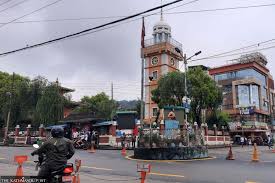
In the heart of the hills lies Dharan, a vibrant town that blends cultural diversity with modern charm. Once a recruitment hub for Gurkha soldiers, Dharan now thrives as a center for trade, food, and festivals. A short drive uphill leads to Bhedetar, where the cool air and panoramic views make it a popular escape for locals and visitors alike. The winding roads here reveal valleys wrapped in mist and ridgelines stretching far into the horizon.
For the spiritually inclined, Pathibhara Temple in Taplejung offers a journey of devotion. Perched high on a hilltop, it is one of the most revered pilgrimage sites in Nepal. Pilgrims climb steep trails, carrying offerings and prayers, and are rewarded with sweeping views of mountains and valleys that feel both humbling and divine.
In the eastern hills, the Tinjure-Milke-Jaljale region blooms each spring with a spectacular display of rhododendrons, earning it the title “Rhododendron Capital of Nepal.” Small towns like Hile and Basantapur act as gateways to these floral forests, where every turn in the trail reveals a new shade of red, pink, or white. The crisp mountain air here carries the scent of pine, and the silence is broken only by birdsong and the crunch of footsteps on winding paths.
Traveling through Eastern Nepal is not just about reaching destinations — it’s about embracing a slower pace, engaging with local communities, and witnessing a way of life that remains deeply connected to the land. Tea served fresh from the garden, stories shared by a fire in a wooden homestay, the echo of traditional drums during a village celebration — these are the moments that linger long after the journey ends.
Whether you come for the mountains, the culture, or simply the peace of the hills, Eastern Nepal greets you with open arms and an authenticity that is rare in today’s world. It is a place where every sunrise feels like a blessing, and every path leads to a new discovery.


